Barnyardgrass
Echinochloa crus-galli
Introduced
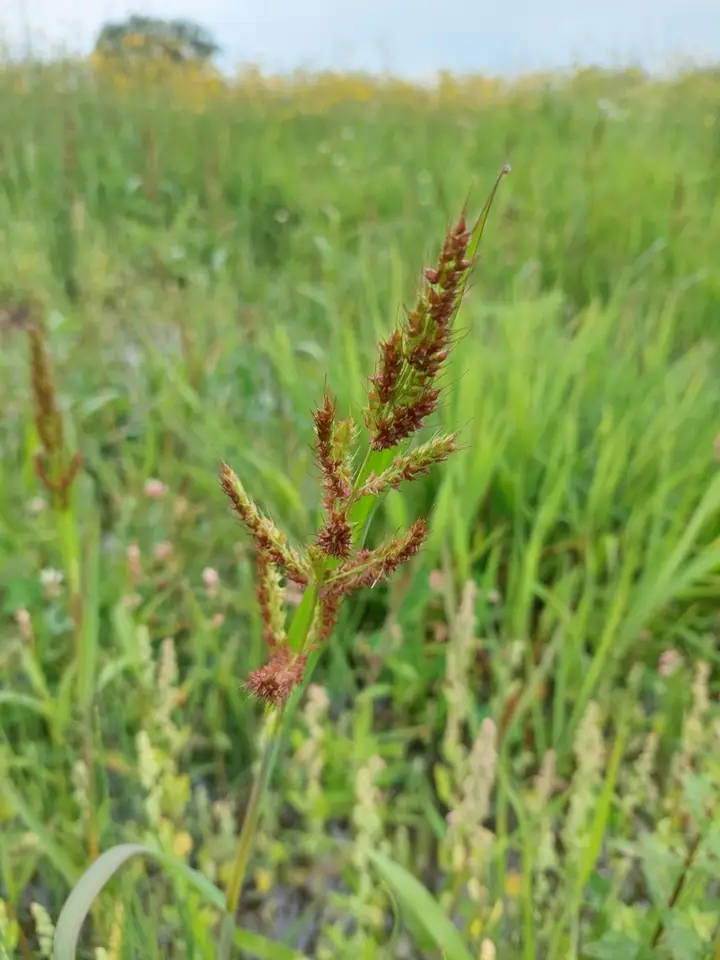
Where it grows in Florida
- Central
- Brevard, Hardee, Highlands, Hillsborough, Orange, Pinellas, Polk, St. Lucie, Sarasota
- South
- Broward, Collier, Martin, Palm Beach
13 of 67 counties, from research-grade iNaturalist observations. They show where people have photographed it, not every place it grows — absence here isn't proof it's absent.
More in Echinochloa
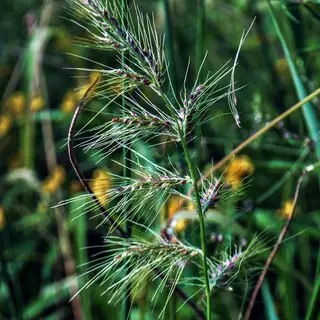
Walter's Barnyard Grass
Echinochloa walteri
Poaceae
Native
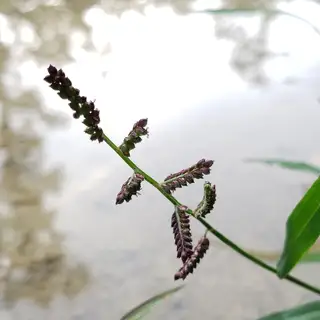
Jungle Rice
Echinochloa colona
Poaceae
Introduced
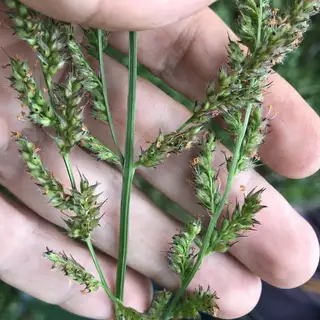
Florida Cockspur Grass
Echinochloa paludigena
Poaceae
NativeEndemic
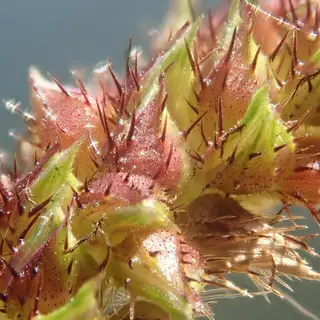
Rough Barnyard Grass
Echinochloa muricata
Poaceae
Native
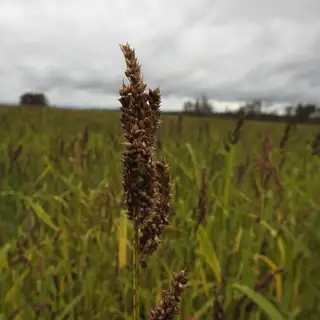
Japanese Millet
Echinochloa esculenta
Poaceae
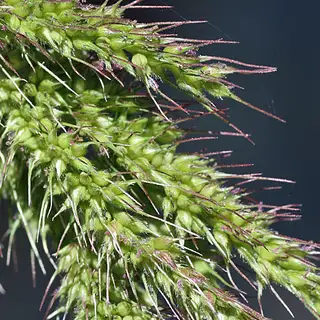
Gulf Cockspur
Echinochloa crus-pavonis
Poaceae
Introduced