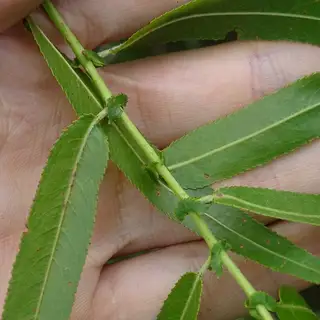
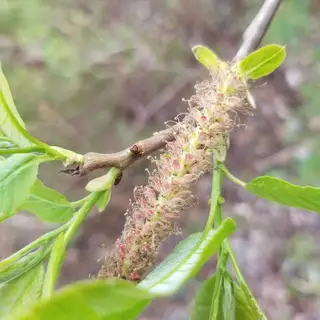
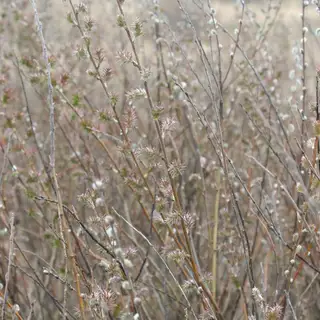
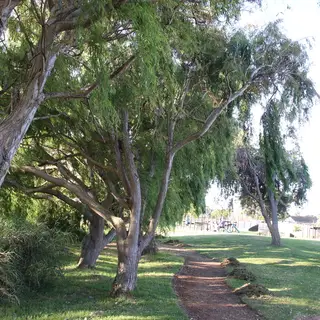
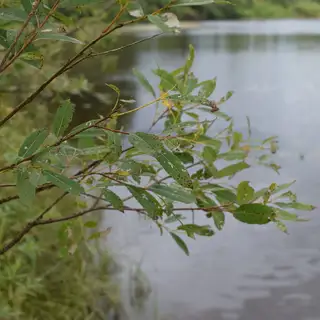
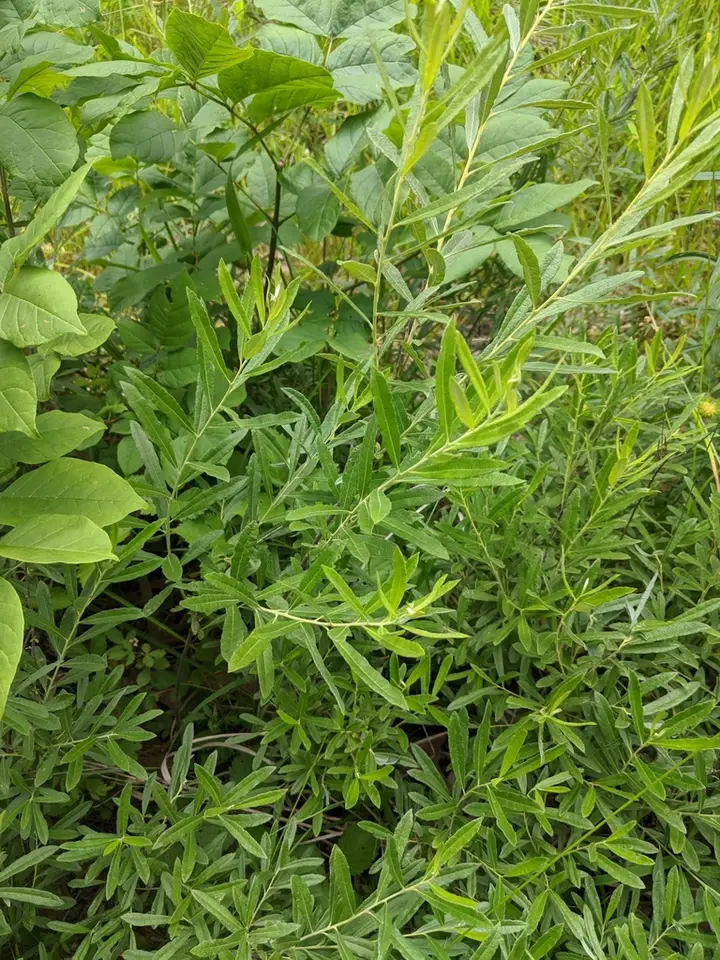
Carolina Willow
Salix caroliniana
Native to Florida
Where it grows in Florida
- Panhandle
- Bay, Escambia, Franklin, Gadsden, Gulf, Jefferson, Leon, Liberty, Okaloosa, Santa Rosa, Wakulla
- North
- Alachua, Baker, Bradford, Clay, Columbia, Dixie, Duval, Flagler, Gilchrist, Hamilton, Levy, Marion, Nassau, Putnam, St. Johns, Taylor
- Central
- Brevard, Citrus, DeSoto, Hardee, Hernando, Highlands, Hillsborough, Indian River, Lake, Manatee, Okeechobee, Orange, Osceola, Pasco, Pinellas, Polk, St. Lucie, Sarasota, Seminole, Sumter, Volusia
- South
- Broward, Charlotte, Collier, Glades, Hendry, Lee, Martin, Miami-Dade, Palm Beach
- Keys
- Monroe
58 of 67 counties, from research-grade iNaturalist observations. They show where people have photographed it, not every place it grows — absence here isn't proof it's absent.