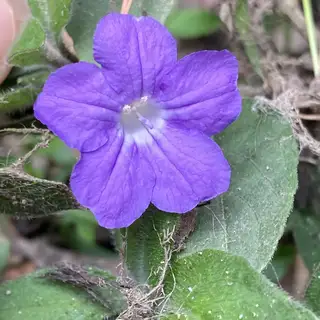
Mexican Ruellia
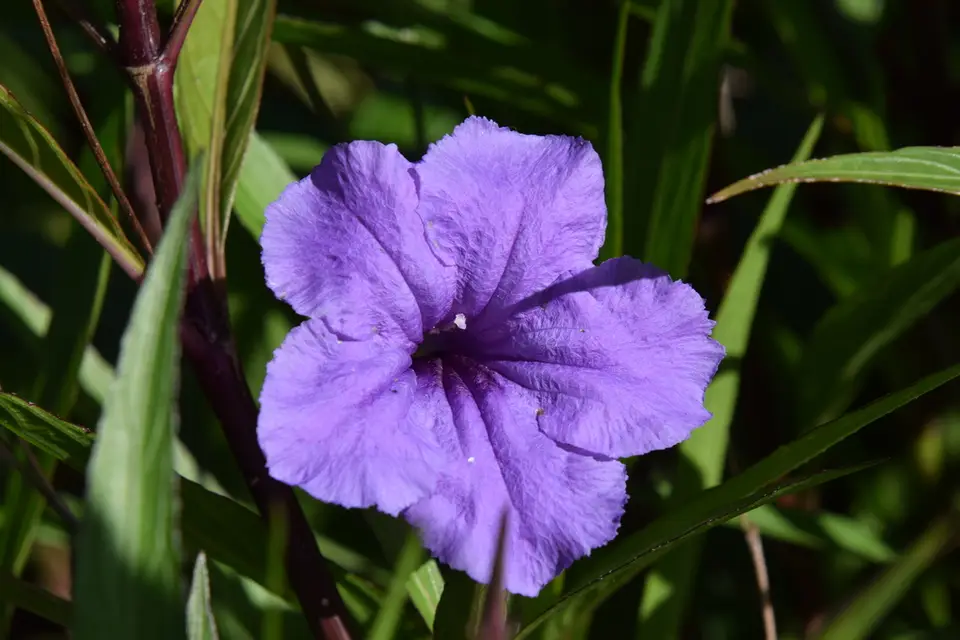
Ruellia simplex
IntroducedInvasive · FISC Category I
Invasive — FISC Category I. The Florida Invasive Species Council lists this plant as altering native plant communities by displacing native species, changing community structures or ecological functions, or hybridizing with natives. Please don't plant it; if it's on your land, consider removing it. About the FISC list
Where it grows in Florida
- Panhandle
- Bay, Escambia, Franklin, Gadsden, Gulf, Holmes, Jefferson, Leon, Okaloosa, Santa Rosa, Wakulla, Walton, Washington
- North
- Alachua, Baker, Bradford, Clay, Columbia, Dixie, Duval, Flagler, Levy, Marion, Nassau, Putnam, St. Johns, Suwannee
- Central
- Brevard, Citrus, DeSoto, Hardee, Hernando, Highlands, Hillsborough, Indian River, Lake, Manatee, Okeechobee, Orange, Osceola, Pasco, Pinellas, Polk, St. Lucie, Sarasota, Seminole, Sumter, Volusia
- South
- Broward, Charlotte, Collier, Glades, Hendry, Lee, Martin, Miami-Dade, Palm Beach
- Keys
- Monroe
58 of 67 counties, from research-grade iNaturalist observations. They show where people have photographed it, not every place it grows — absence here isn't proof it's absent.
More in Ruellia
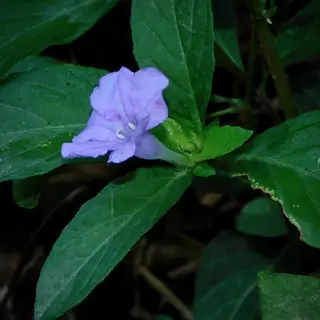
Carolina Ruellia
Ruellia caroliniensis
Acanthaceae
Native
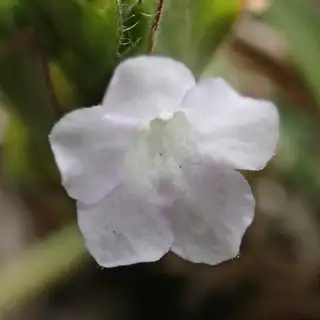
Browne's Blechum
Ruellia blechum
Acanthaceae
IntroducedInvasive II
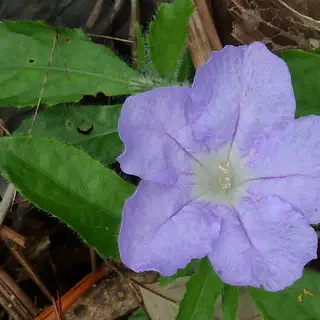
Ciliate Ruellia
Ruellia ciliosa
Acanthaceae
Native
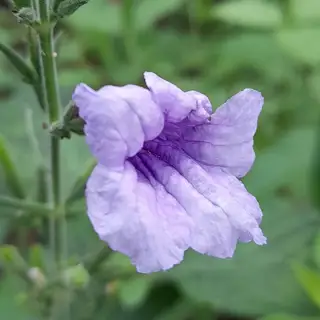
Hairyflower Ruellia
Ruellia ciliatiflora
Acanthaceae
Introduced
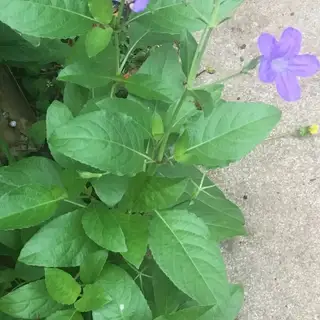
Common Wild Petunia
Ruellia nudiflora
Acanthaceae
Native
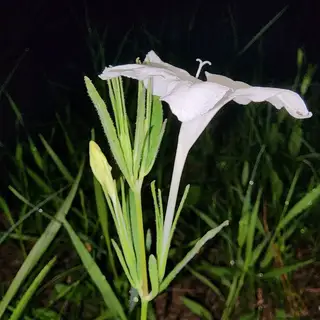
Nightflowering Ruellia
Ruellia noctiflora
Acanthaceae
Imperiled
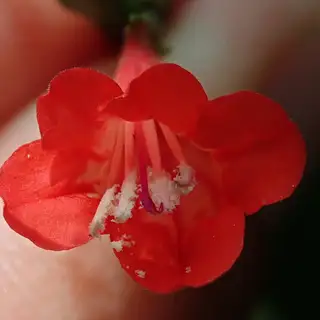
Tropical Wild Petunia
Ruellia brevifolia
Acanthaceae
Creeping Ruellia
Ruellia squarrosa
Acanthaceae