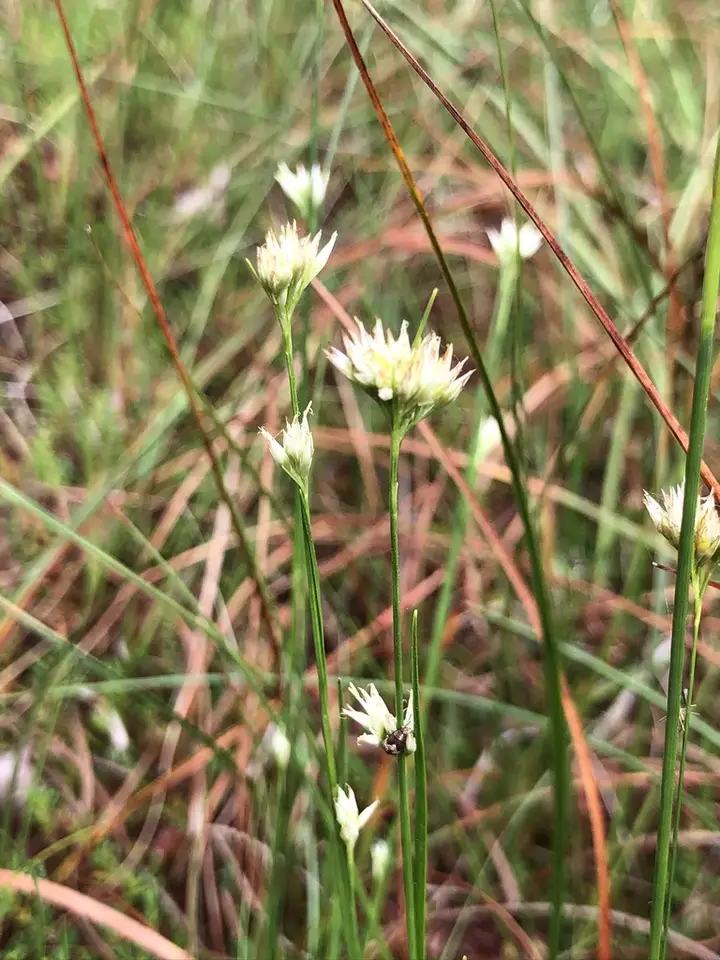
White Beak-Sedge
Rhynchospora alba
Native to Florida
Where it grows in Florida
More in Rhynchospora
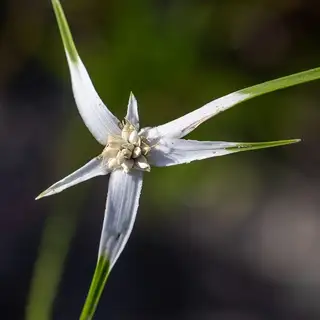
Whitetop Sedge
Rhynchospora colorata
Cyperaceae
Native
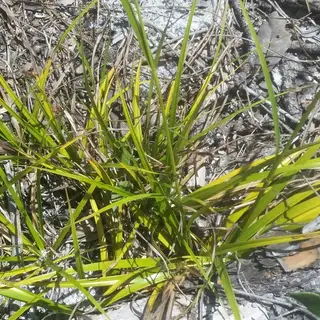
Sandyfield Beaksedge
Rhynchospora megalocarpa
Cyperaceae
Native
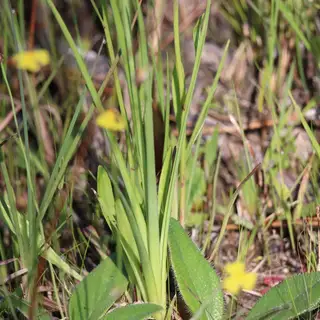
Sandswamp Whitetop Sedge
Rhynchospora latifolia
Cyperaceae
Native
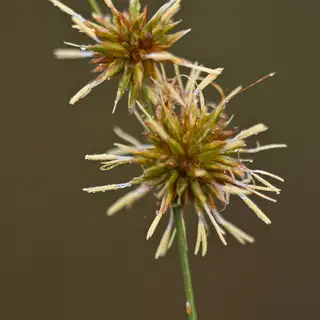
Tracy's Beaksedge
Rhynchospora tracyi
Cyperaceae
Native
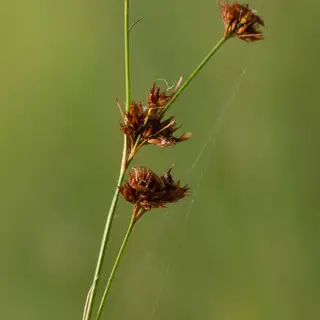
Fascicled Beaksedge
Rhynchospora fascicularis
Cyperaceae
Native
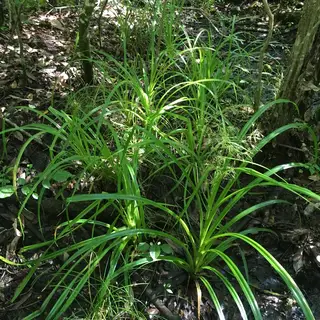
Narrowfruit Horned Beaksedge
Rhynchospora inundata
Cyperaceae
Native
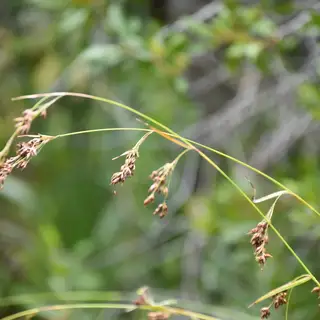
Fragrant Beaksedge
Rhynchospora odorata
Cyperaceae
Native
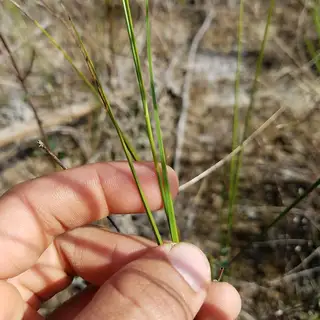
Southern Beaksedge
Rhynchospora microcarpa
Cyperaceae
Native