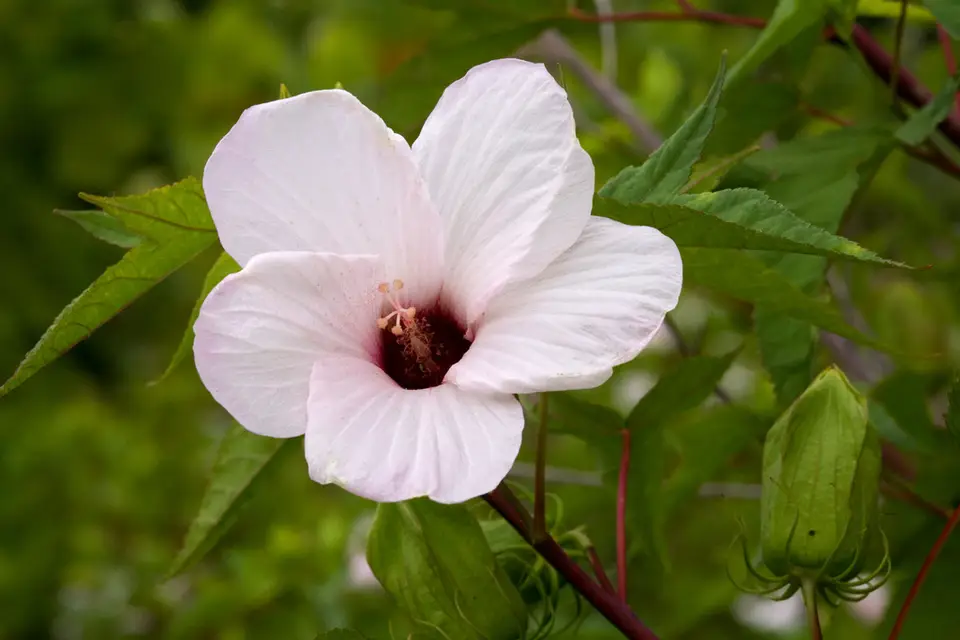
Halberd-Leaf Rosemallow
Hibiscus laevis
Native to Florida
Where it grows in Florida
- Panhandle
- Escambia, Gulf, Santa Rosa
3 of 67 counties, from research-grade iNaturalist observations. They show where people have photographed it, not every place it grows — absence here isn't proof it's absent.
More in Hibiscus
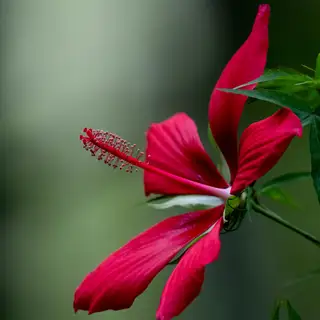
Scarlet Rosemallow
Hibiscus coccineus
Malvaceae
Native
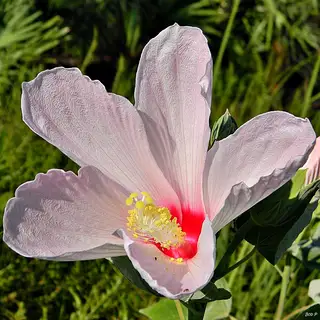
Swamp Rosemallow
Hibiscus grandiflorus
Malvaceae
Native
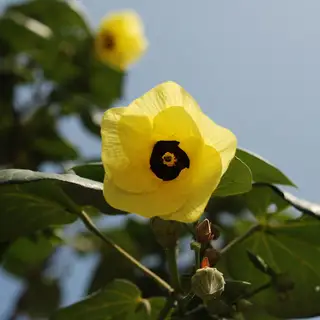
Sea Hibiscus
Hibiscus tiliaceus
Malvaceae
IntroducedInvasive II
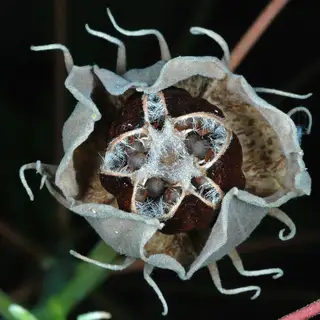
Swamp Rose Mallow
Hibiscus moscheutos
Malvaceae
Native
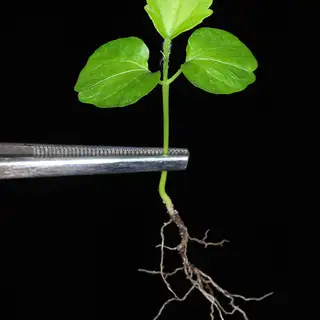
Common Hibiscus
Hibiscus syriacus
Malvaceae
Introduced
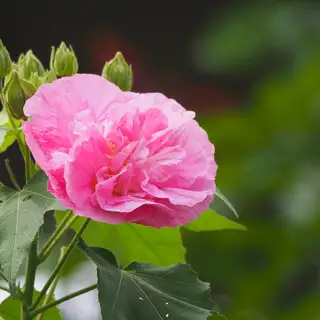
Cotton Rosemallow
Hibiscus mutabilis
Malvaceae
Introduced
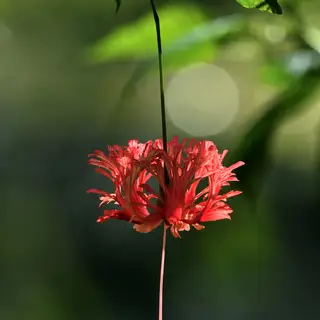
Spider Hibiscus
Hibiscus schizopetalus
Malvaceae
Introduced
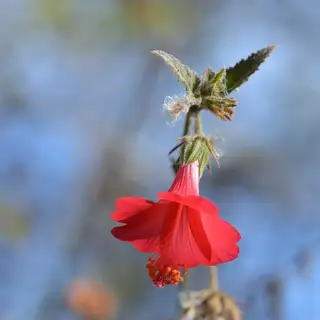
Poeppig's Rosemallow
Hibiscus poeppigii
Malvaceae
NativeImperiled