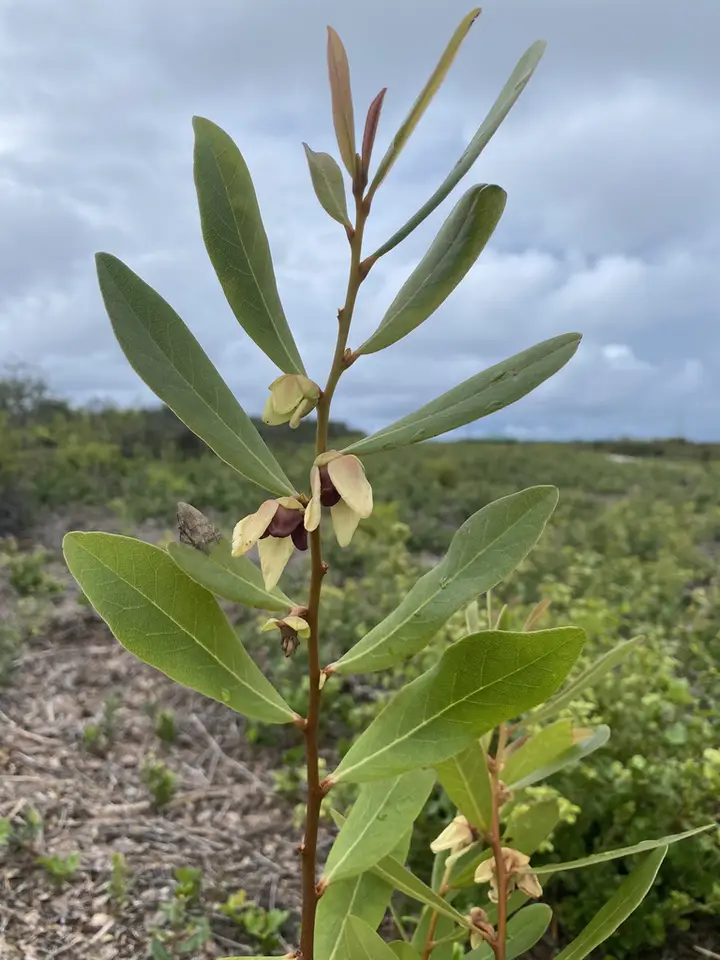
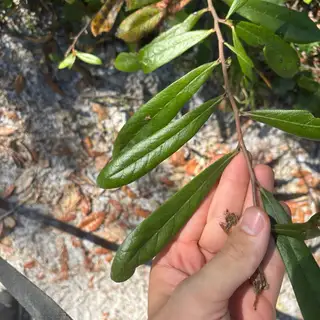
Four-Petal Pawpaw
Asimina tetramera
Native to FloridaFlorida endemicImperiled
Where it grows in Florida
- South
- Martin, Palm Beach
2 of 67 counties, from research-grade iNaturalist observations. They show where people have photographed it, not every place it grows — absence here isn't proof it's absent.
More in Asimina
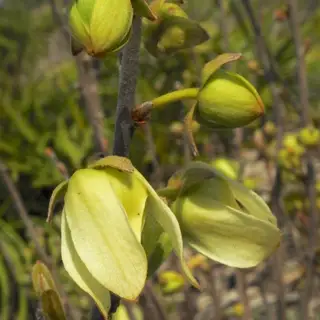
Netted Pawpaw
Asimina reticulata
Annonaceae
NativeEndemic
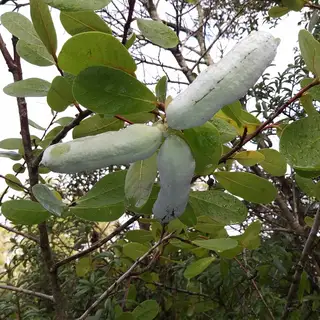
Flag-Pawpaw
Asimina obovata
Annonaceae
NativeEndemic
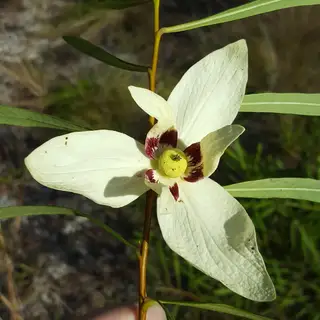
Slimleaf Pawpaw
Asimina angustifolia
Annonaceae
Native
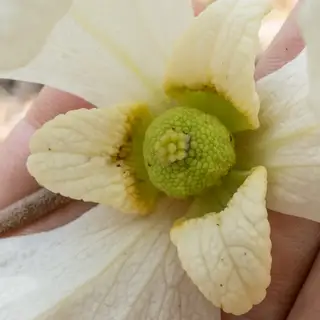
Woolly Pawpaw
Asimina incana
Annonaceae
Native
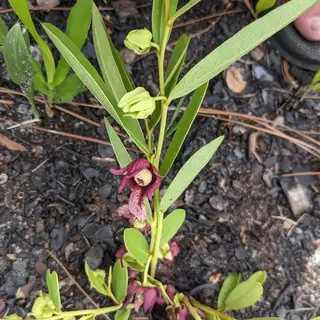
Dwarf Pawpaw
Asimina pygmaea
Annonaceae
Native
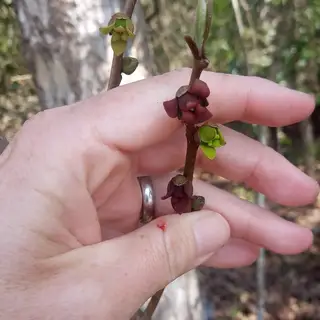
Small-Flower Pawpaw
Asimina parviflora
Annonaceae
Native
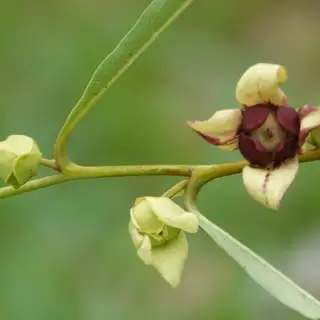
Manasota Pawpaw
Asimina manasota
Annonaceae
NativeEndemicImperiled
Asimina × nashii
Annonaceae